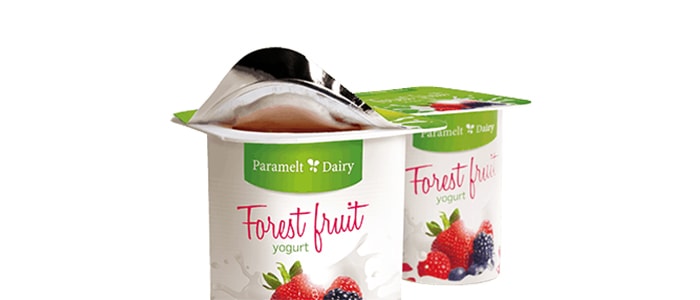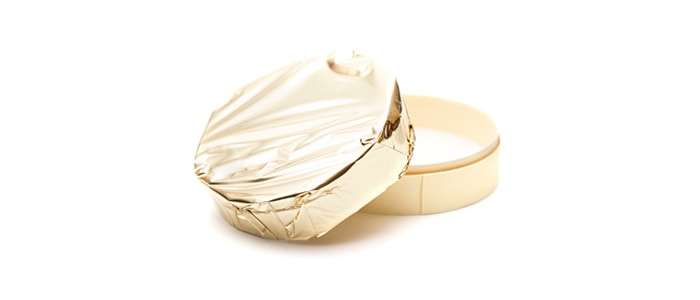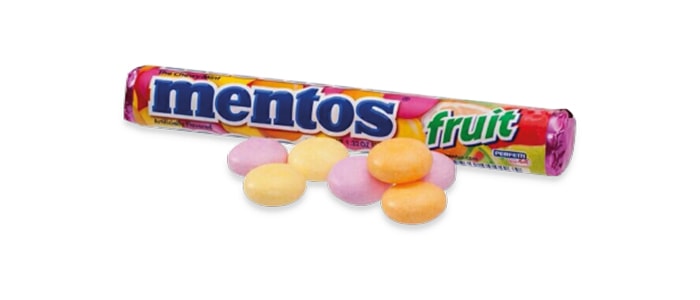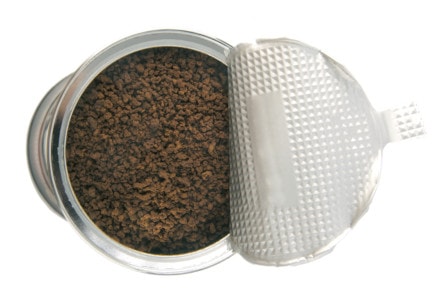
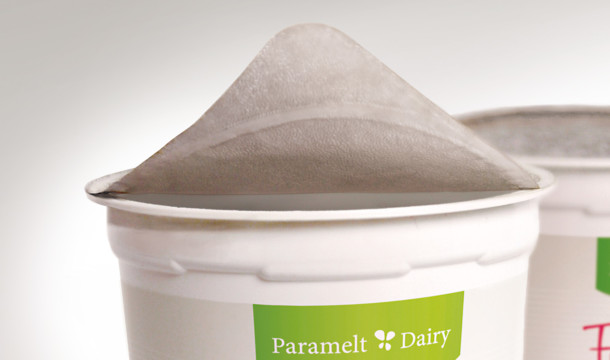



The ParaflexTM brand consists of a wide range of different wax based functional coatings and adhesives: carton coating hot melts, gloss waxes, in mould labelling hotmelts, impregnating waxes for corrugated carton, heat seal waxes, laminating waxes, hydrocarbon-free coating waxes.
Carton coating hot melts - Paraflex CC
ParaflexTM CC hot melts are applied as gloss coatings for corrugated carton or solid cardboard, to make it water-repellent and can also act as a heat sealable coating. ParaflexTM CC is applied to lighter types of carton to provide a moisture vapour barrier.
Applications
Cardboard boxes coated with ParaflexTM CC are used for packaging fish, poultry, vegetables, fruit, detergents, etc. In addition Paraflex CC coatings prevent sticky contents from adhering to the carton, and protect easily-damaged finishes on articles like fridges, cookers, bicycles, etc.
Gloss waxes - ParaflexTM CW
The ParaflexTM CW range comprises a number of special waxes developed for the production of economical and environmentally safe (solvent free) gloss coatings.
Paraflex CW waxes give the wrappers:
- very high gloss
- excellent stability - no reduction in gloss or yellowing of the coating during prolonged storage
- extremely good flexibility
- excellent resistance to abrasion
- no blocking on storage reels
- low moisture vapour transmission values
- good resistance to grease
Applications
Gloss waxes are principally applied to paper. The differences between the various grades are mainly due to the types of paper employed. If well-closed papers are being used the desired gloss can be achieved with a low viscosity wax. With porous papers, there is the risk that the wax may soak away into the substrate; in such cases it is advisable to use a more viscous ParaflexTM CW grade. Amongst the applications for which gloss waxes are employed is the preparation of: decorative paper; packaging papers, used for example as meat and cheese wrappings, wrappers for toffees and sweets, shelf paper, flower wrappers, paper sacks and shopping bags.
Coating hotmelts - ParaflexTM HS
ParaflexTM HS hot melts are mainly applied as heat seal coatings for all types of packaging materials, such as aluminium foil, paper and paperboard. Paraflex® hot melts are more viscous than Paraflex® heat seal waxes, and they have significantly higher seal strength and hot tack values and yield substantially lower scuff ratings.
Paraflex HS coatings have the following properties:
- excellent sealing strength on a variety of packaging materials
- low heat seal temperature compared with other heat seal media such as pvdc, p.e. heat sealing lacquers
- low permeability to moisture vapour, aromas and gases
- flexible, smooth and scuff-resistant coatings
- non blocking
Applications
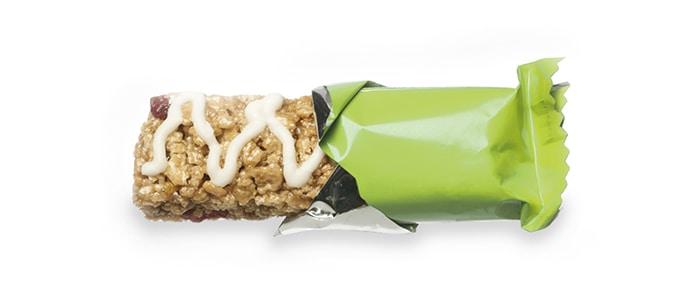
ParaflexTM HS hot melts can be easily coated on the usual packaging materials, such as paper, aluminium laminates and certain plastic films (complexes). The coated packaging materials are used for packaging biscuits, coffee, soap, chewing gum, chocolate, cigarettes, dairy products, bread etc. and for heat seal labels. There are also many other potential applications for hot melts; special applications can be developed in collaboration with our clients. Paraflex hot melts can be used not only for all-over surface coating, but also for pattern coating, in which the hot melt is gravure printed only on those parts that are to be sealed.
Impregnating waxes for corrugated carton - ParaflexTM IW
ParaflexTM IW waxes are waxes developed for the corrugated carton industry and meant for impregnating the fluting paper in line in the corrugated carton machines.
Applications
Fluting paper carton boxes treated with ParaflexTM IW waxes are used for packing vegetables and fruit like lettuce, cucumbers, tomatoes etc. and meat, poultry and fish. It will give the boxes the following properties:
- up to 30% higher flat- and edge crush test values
- higher moisture vapour and moisture resistance
- better rigidity of the cartons during stacking, avoiding bending and damaging of the content of the bottom boxes
Gluing of the liner onto the fluting is done with the usual glues. The coating weight is about 10-12% of the paper weight. The coated fluting with Paraflex IW waxes has to be reheated in order to obtain good migration of the wax into the fluting paper. An excessive migration is to be avoided in order to achieve an optimal gluing of the fluting to the liner. Corrugated cartons treated this way have a very high stiffness and 100% water repellency. The wax quantity applied, this depends on the machine circumstances, will be between 30-50% of the carton weight. The cartons are used for packing: resh and deep frozen fish and meat; deep freezers, refrigerators, washing machines etc.
Heat seal waxes - ParaflexTM WS
The ParaflexTM WS heat seal waxes provide a range of different grades with which it is possible to satisfy practically all requirements in the packaging industry for glossy coatings while having a good heat seal performance. In addition to the standard range we have available a number of special products for particular end-uses; consultation with our technical advisers is necessary regarding their use.
Applications
The ParaflexTM WS waxes are to be used as a heat sealable high gloss –one or two sided– coating of paper for the packaging of bread, sweets and chewing gum. Furthermore, the Paraflex WS waxes are excellent for the production of heat sealable laminates by a procedure in which paper is coated on two sides and the web of the second substrate - e.g. aluminium foil - then laminated to it.
Paraflex WS coated wrappers are used for the following purposes:
- wrappers for bread, biscuits and rusks
- packaging for rye bread
- packaging for chewing gum
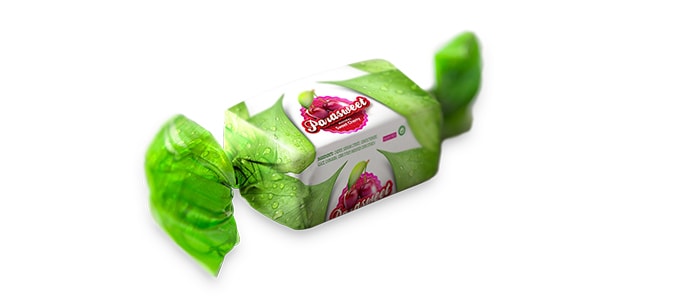
- wrappers for sweets and caramels
The differences between the various grades relate to the properties required in the wax coating and also the machinery employed. In this context the following factors may be noted:
- Sealing characteristics: Viscosity has an influence on the sealing characteristics; although it is not the only decisive factor, the sealing strength rises with increasing viscosity. Also, in the higher viscosity grades the setting time for sealing is short and consequently processing on high-speed packaging machines is possible.
- Moisture Vapour Transmission Rate (MVTR): In general this value decreases as the coating weight rises. The MVTR therefore offers a means of establishing the moisture exchange characteristics of the packaging material - a property which is often underestimated.
- Blocking: Papers, coated with Paraflex WS and stored at room temperatures, are free from any tendency to block.
- Scuff: With these waxes the resistance to abrasion improves generally with increasing viscosity.
- Viscosity: This is of prime importance in relation to the carrier material. When processing well-closed papers, it is often possible to use lower viscosity waxes more advantageously than with porous papers. Also however, in many cases, it must also be taken into consideration that smooth papers have a detrimental effect on the sealing performance.
Laminating waxes - ParaflexTM L
The ParaflexTM L range of laminating waxes comprises a number of different grades for the flexible packaging industry. Also in addition to the standard range, we have available a number of special products for particular end-uses; consultation with our technical advisors is necessary regarding the use of these.
Applications
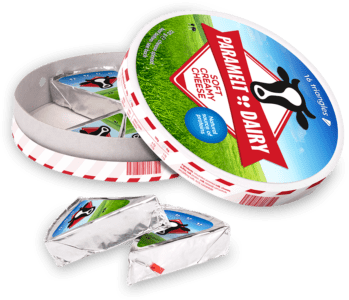
Paramelt offers a wide range of laminating waxes to be used for different substrates such as paper, aluminium foil, paperboard, cellophane and plastic foils. The end-use of the laminates is various e.g. butter and margarine wrappers, wrappers for confectionary industry, biscuit and cheese wrappers.
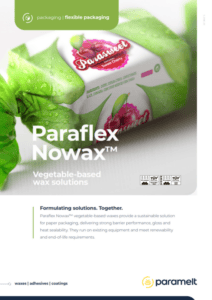
Hydrocarbon-free coating waxes - ParaflexTM NowaxTM
Paper coating products based on hydrocarbon waxes have been employed since decades. The source of hydrocarbon waxes is petroleum and therefore these paper coating products are products from the petrochemical industry. Another source of ingredients for coatings, soaps and cosmetics is the oleochemical industry with natural oils and fats as base materials.
Compared to petrochemical products, the products from the oleochemical industry present advantages such as:
- "renewable" resources
- improved biodegradability
- better repulpability
Advantages of the petrochemical products are:
- relatively lower prices
- odour free and tasteless coating materials
The difference between traditional products and hydrocarbon-free coating waxes is the replacement of hydrocarbon waxes by fatty acid derivatives. These are commonly used in food stuffs or as approved food additives and can therefore be used in food packagings. In addition to these oleochemicals, polymers are used to add the necessary toughness and hold-out to the coating materials. These polymers are approved for direct food contact.
Applications
Hydrocarbon-free coating waxes can be applied on paper, using the known techniques. The coated packaging material is particularly suitable to use for the packing of sticky dry and fatty confectionary.